Revamp Your Outdoor Environment: Creative Deck Design Concepts for Every Home
Transforming an open-air environment using thoughtful deck design can greatly enhance both its functionality and visual appeal. Thoughtful choices in materials, layout, and features are essential for crafting a comfortable outdoor setting. As homeowners seek to optimize their outdoor living spaces, recognizing the core principles of successful deck planning proves important. What strategies can elevate a simple deck into an enchanting retreat? Exploring the various components can reveal numerous possibilities for homes of every style.
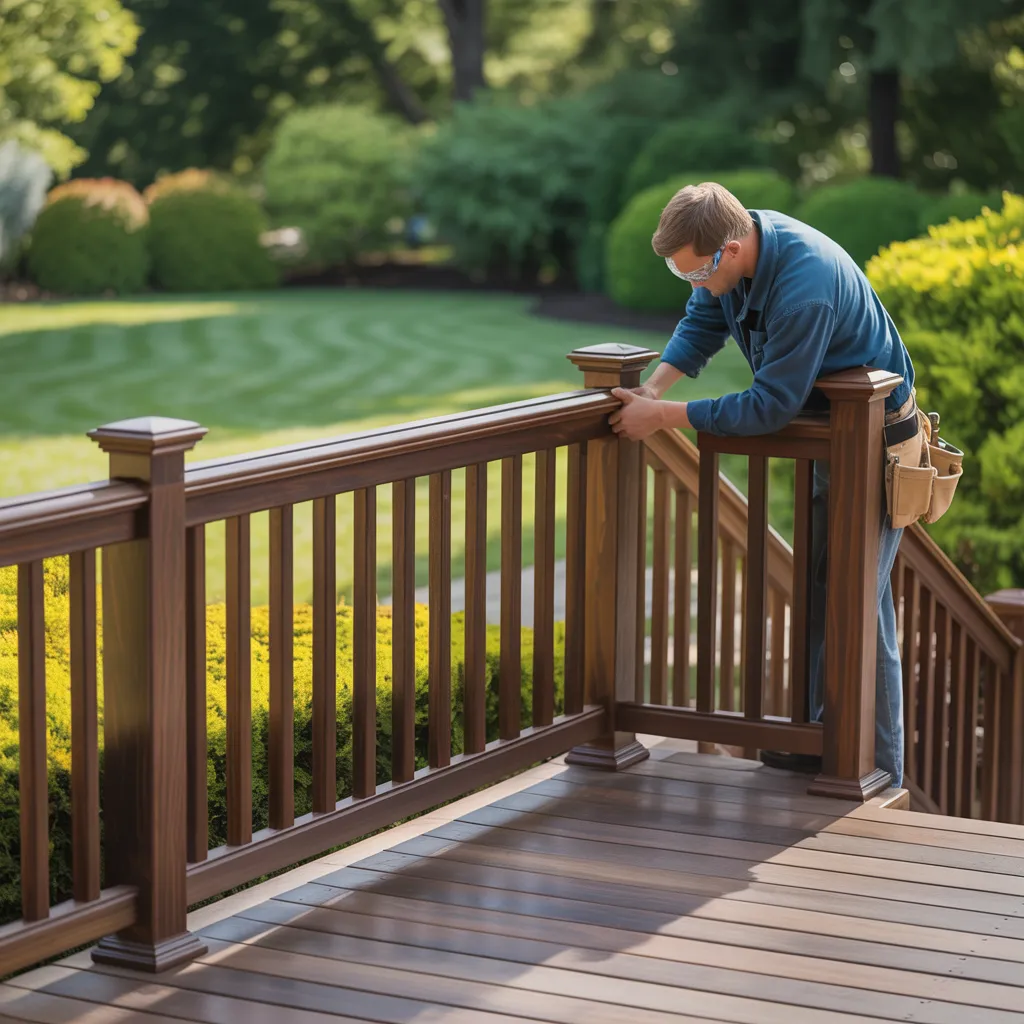
Selecting the Best Decking Materials for Your Space
When evaluating decking materials, how can one identify the best fit for their exterior living area? A thorough assessment of multiple considerations is essential. First, weather conditions play a significant role; materials should be capable of enduring local climate conditions. For instance, composite decking provides excellent resilience in humid climates, while treated wood excels in dry areas.
Additionally, upkeep demands deserve careful attention. A number of materials demand routine sealing or staining, while others demand only occasional care. The intended look also shapes the selection; homeowners may prefer the natural look of wood or the refined finish of composite or PVC materials.
Financial limitations represent another key consideration, as expenses can fluctuate greatly between available materials. Additionally, thinking about the deck's primary purpose—such as hosting gatherings or creating a serene retreat—will aid in shaping the final selection. By thoughtfully considering these elements, homeowners can choose decking materials that complement their outdoor area while fulfilling functional requirements.
Focusing on Functionality Before Aesthetics
Picking suitable decking materials establishes the foundation for the next vital step in outdoor deck creation: placing functionality above aesthetics. Property owners should initially consider how the deck will be utilized, considering factors such as entertaining, dining, or relaxation. Thoughtful design integrates features such as integrated seating, organizational storage, and convenient access points for smooth traffic flow.
Weather resistance and upkeep considerations also serve a critical function in guaranteeing the deck remains practical throughout the seasons. For example, composite materials offer durability, while non-slip surfaces enhance safety.
Furthermore, incorporating features such as shade structures can boost the comfort level without compromising ease of use.
When all is said and done, a well-designed deck enriches the time spent outside, permitting homeowners to take full advantage of their space. By concentrating on everyday needs first, design details can be skillfully woven in later, forming a balanced and accessible outdoor living space. Combining these factors guarantees the deck meets its core objectives while still being attractive in appearance.
How to Design Multi-Level Decks for Visual Appeal
Elevating exterior areas by incorporating stacked deck configurations introduces dynamic visual interest and strengthens practicality. Through varying the levels of the deck design, homeowners can craft distinct areas for different activities, such as unwinding, hosting, or growing. This structured separation not only makes the most of the area but also encourages a degree of coziness and distinction between each zone.
To accomplish this result, thorough planning is crucial. Property owners should evaluate the land's natural curves and the view from various vantage points. Including steps or ramps can join varying elevations smoothly while prioritizing safety. Utilizing a variety of materials—including wood, composite, or stone—can greatly improve the overall appearance, permitting innovative design arrangements.
In addition, adding custom seating or planters at different levels adds both functionality and aesthetic charm. Ultimately, a well-designed multi-tiered deck transforms an ordinary outdoor area into an inviting, multi-tiered environment that invites relaxation and enjoyment.
Integrating Efficient Lighting Options for Your Deck
Well-planned lighting options can turn a deck into a captivating nighttime sanctuary, boosting both visibility and aesthetic appeal. Strategically placed lights can brighten walkways, providing secure passage while enhancing visual appeal. Options such as recessed lighting in steps or under railings offer gentle lighting without overpowering the area.
Decorative string lights can establish a warm, inviting atmosphere, draping them across overhead beams or pergolas for a delightful touch. Stake lights or solar-powered lanterns are sustainable choices that need little setup, providing a gentle illumination throughout the nighttime hours.
For a more modern approach, LED strips are ideal for installation beneath furniture or along borders, providing adjustable colors and light intensity. In addition, incorporating dimmable options enables homeowners to set the ambiance, making the deck suitable for both lively gatherings and intimate evenings. By blending functionality with aesthetics, thoughtful lighting go now choices improve the overall feel of exterior living spaces.
Creating Comfortable Outdoor Living Areas
Crafting a comfortable outdoor living space depends on thoughtful choice of relaxing seating options, which foster leisure and interaction. Moreover, ambient lighting solutions can improve the environment, making evenings more inviting. Including cozy fire features further adds ambiance and visual interest, transforming the deck into a captivating retreat.
Comfortable Seating Options
While outdoor spaces often serve as extensions of the home, carefully selected seating arrangements can turn them into charming sanctuaries for leisure and gathering. To achieve this, homeowners may consider a variety of choices that balance comfort and style. Comfortable lounge chairs, cushioned outdoor sofas, and hammocks establish cozy nooks for relaxation. Sectional arrangements deliver adaptability and can support larger social events, while built-in benches make the most of available space and offer a polished finish. Incorporating cushions and decorative pillows boosts comfort and encourages extended visits. For an element of sophistication, wicker or rattan furnishings combine resilience with visual charm. Ultimately, selecting the right seating options not only elevates the design but also fosters a welcoming atmosphere for family and friends.
Ambient Illumination Solutions
Turning exterior spaces into inviting hideaways copyrights greatly on well-chosen atmospheric lighting options. Purposefully crafted lighting can transform the environment, rendering spaces more appealing for unwinding and hosting guests. Choices like string lights, decorative lanterns, and solar fixtures generate a cozy luminance that reduces sharp shadows and showcases design elements. Including adjustable lights offers adaptability, adjusting brightness levels to suit various moods. Furthermore, embedded lighting in deck railings or stairs provides security while enhancing the general atmosphere. Blending multiple light sources, from low-level to elevated, establishes depth and character. Through careful positioning of these features, one can foster a tranquil setting that invites loved ones to relax and appreciate the splendor of nature.
Inviting Fire Features
Warm fire installations can greatly elevate exterior living areas, delivering heat and a gathering point for get-togethers. These installations, extending from basic fire pits to refined outdoor fireplaces, cultivate a charming ambiance suited for mingling or lounging under the open sky. Property owners have the option to select from numerous materials and designs, like traditional stone, rustic brick, or sleek metal styles, to complement their existing decor. Furthermore, adding cozy seating arrangements near the fire elevates the overall ambiance, inspiring visitors and family members to extend their time outdoors. During the design process, it is essential to consider safety measures and municipal guidelines concerning open fires. Ultimately, a well-designed fire feature transforms an outdoor area into a year-round retreat, enabling residents to make the most of their outdoor area throughout the year.
Vital Deck Maintenance Tips for Extended Lifespan
Keeping up a deck is essential for ensuring its longevity and maintaining its attractive appearance. Routine cleaning serves as a fundamental practice; removing debris and scrubbing the surface can prevent mold and mildew growth. It is wise to apply a mild cleaning solution made especially for decking materials, ensuring no harsh chemicals damage the surface.
Inspecting the deck for signs of wear, such as splinters or weakened boards, is important. Quickly resolving these concerns can stop additional damage from occurring. Additionally, utilizing a durable sealant every few years works to protect the deck from UV rays and moisture, prolonging its durability.
Periodic seasonal care, including inspecting metal fixtures for rust and securing any loose screws, should not be overlooked. Furthermore, during winter, eliminating snow and ice buildup will protect against unwanted strain and deterioration. By following these essential maintenance tips, homeowners will be able to appreciate a gorgeous and resilient deck for the foreseeable future.
Personalizing Your Deck: Unique Features and Accessories
A well-maintained deck provides a perfect canvas for personalization and creativity. Homeowners can elevate their outdoor spaces by adding distinctive elements and accessories that showcase their personality. To illustrate, stylish railings, such as glass panels or intricate wrought iron, can enhance visual appeal while ensuring safety.
In addition, integrating integrated seating and storage options allows for functionality while preserving visual appeal. Patio rugs, cushions, and soft throws in bold and lively hues can establish a warm and welcoming ambiance, rendering the deck a charming outdoor haven.
Lighting options, such as string lights, lanterns, or recessed fixtures, can transform the ambiance during evening gatherings. Including planters overflowing with seasonal plants or greenery brings a natural element, while a fire feature or space heater enables use throughout the chilly months. By deliberately incorporating these components, residents can craft a tailored deck that balances practicality and aesthetics, making it a true extension of their home.
Popular Questions We Receive
What Are the Best Plants to Complement My Deck Design?
To complement a deck design, consider incorporating decorative grasses, vibrant flowering perennials, and easy-care succulents. Such plants provide texture, color, and seasonal interest, elevating the overall appearance while providing a welcoming outdoor atmosphere.
How Do I Create Privacy for My Outdoor Deck Area?
To enhance privacy on an outdoor deck, one can utilize privacy screens, tall planters, outdoor curtains, or trellises with climbing plants. These elements cultivate a sheltered setting, enabling relaxed and undisturbed use of the area.
What Permits Do I Need for Deck Construction?
Prior to building a deck, one typically needs to obtain building permits from the local authorities. Regulations differ depending on location, commonly requiring zoning law compliance, site plans, and structural specifications to maintain safety standards and legal compliance.
What Is the Best Way to Choose a Deck Color Scheme?
To pick the right deck color combination, you should consider the home's exterior, surrounding environment, and personal aesthetic. Harmonizing these elements produces a harmonious aesthetic while making sure the deck complements its natural surroundings beautifully.
Can a Deck Be Installed on Sloped or Uneven Land?
Yes, a deck can be installed on uneven ground by employing adjustable post bases or erecting a raised platform. Proper planning and leveling are essential to confirm the safety and stability of the entire structure.